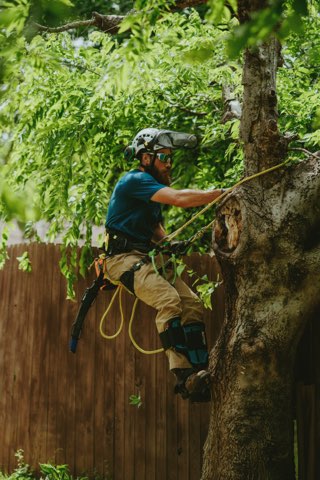
How to Prepare Your Trees for Storm Season: Expert Tips from Blu-J Tree Care Jan 06, 2026
Begin by assessing the overall health of your trees. Trees that exhibit signs of disease or structural weaknesses are more likely to suffer during a storm. Look for cracked branches, leaning trunks, or damaged roots as these are indicators of potential problems. If you notice any, it might be time to consult a professional arborist who can provide a detailed examination and recommend appropriate treatments.
Pruning is a critical step in storm preparation. By removing dead or weak branches, you not only reduce the weight burden on the tree but also minimize the chances of falling limbs during high winds. Focus on branches that are too close to power lines, structures, or any that appear to intersect or rub against each other. Proper pruning ensures that your tree can grow stronger and more resilient, reducing storm-related risks.
It’s also vital to maintain the structural integrity of your trees through cabling and bracing. For trees with heavy limbs or weak joins, cabling and bracing provide additional support, helping to stabilize the tree. This practice is particularly useful for trees located near homes or other structures where falling branches could cause significant harm or damage.
Healthy trees are more resistant to storm damage. Therefore, it’s crucial to keep your trees well-nourished. Regular watering, especially in dry spells, ensures that your trees remain robust. Additionally, use a balanced fertilizer to promote healthy growth, giving your trees the best chance to stand firm against turbulent weather.
Inspect the soil and root system as well. Compacted soil can limit water and nutrient absorption, weakening the tree over time. Ensure that your trees’ surrounding soil has good aeration to encourage deep root growth. Mulching can also be beneficial by retaining moisture, providing nutrients, and preventing erosion around the base of the tree.
For newly planted trees, consider staking temporarily until they are properly established. Staking can help young trees develop a strong root system capable of enduring intense weather conditions. Choose stakes that are flexible enough to allow for natural movement, which encourages stronger root development.
Lastly, consult with professional tree care specialists who can provide expert guidance tailored to your trees’ specific needs. Arborists can perform necessary maintenance such as trimming, fertilization, and soil modification, ensuring that your trees are in optimal condition to face stormy weather.
In conclusion, taking the time to prepare your trees for storm season can make a significant difference in preventing property damage and maintaining the health of your landscape. By following these expert tips from Blu-J Tree Care, you’ll be well on your way to creating a safer and more secure environment. Remember, healthy and resilient trees not only withstand the elements better but also enhance the beauty and value of your property. If you need assistance, don’t hesitate to reach out to professionals who can provide the necessary care and protection for your trees.
/filters:no_upscale()/filters:format(webp)/media/130c91c3-0ee9-45c4-9f0b-d3c5ad8d4ccf.jpeg)